Corgi Obesity: How to Keep a Food-Loving Corgi at a Healthy Weight
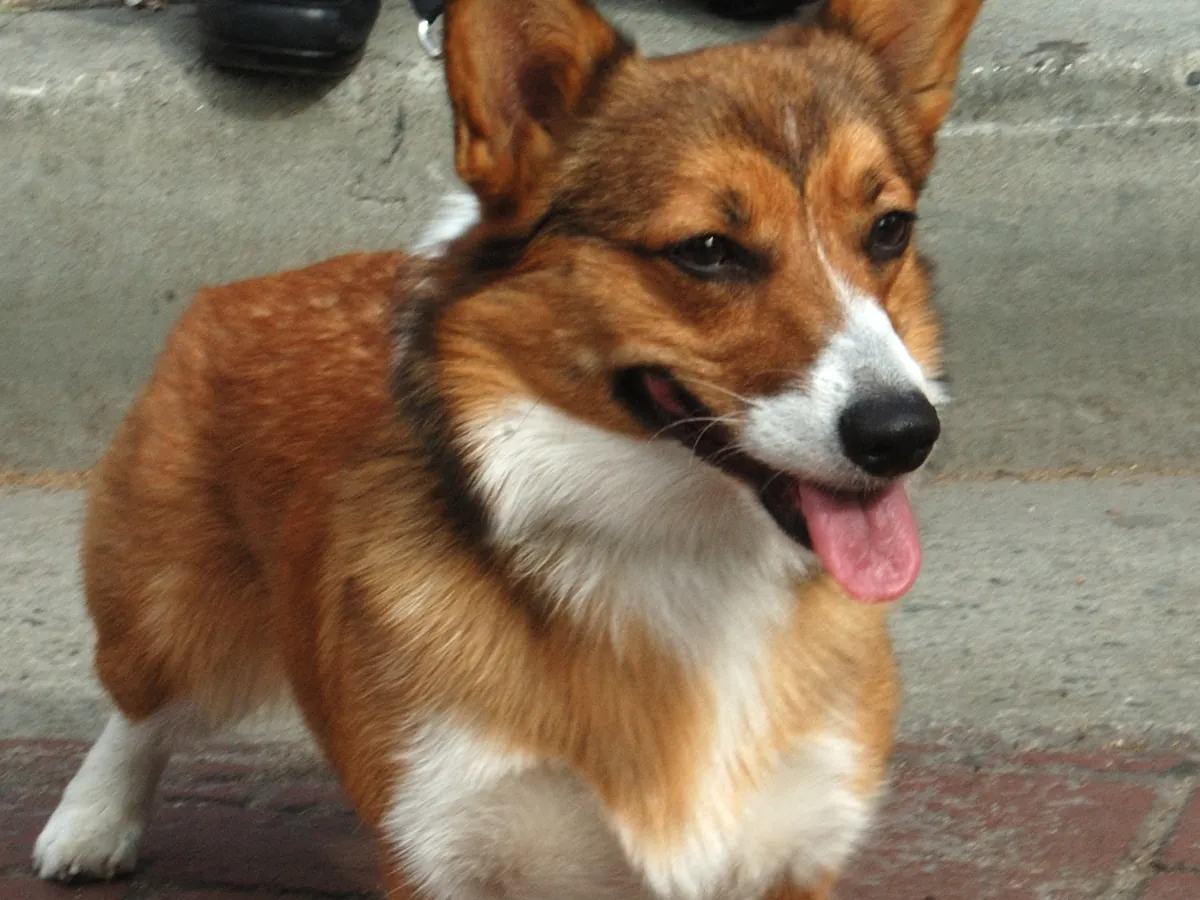
Photo: Damon D'Amato via Wikimedia Commons, CC BY 2.0
Keeping a corgi lean is one of the kindest things you can do for a long-backed, short-legged herding dog. Hearty appetites, expressive begging and a dense double coat make it easy for both Pembroke and Cardigan Welsh Corgis to gain unnoticed pounds.
Start any weight plan with a veterinary exam. Medical problems such as hypothyroidism can look like simple overfeeding, and crash diets can create nutrient gaps. Your vet rules those out first, then sets a safe calorie target.
Why extra weight matters for a long, low dog
VCA Animal Hospitals describes obesity as a chronic inflammatory condition. Fat tissue is biologically active: it secretes inflammatory hormones and contributes to oxidative stress. Compared with lean dogs, overweight and obese dogs face higher risks of osteoarthritis and faster joint degeneration, diabetes mellitus, heart disease, hypertension, some cancers and anesthetic complications. VCA also notes that being even moderately overweight has been linked to a shorter life expectancy of nearly two years in the research it summarizes.
Corgis already carry a long body on short legs, as described in the Pembroke and Cardigan standards. Healthy body condition supports everyday comfort for that build. Extra pounds are not a cute “feature” of the breed.
Body condition: why the scale alone is not enough
VCA defines dogs as overweight at about 10% to 20% above ideal weight and obese above 20%, but you still need a hands-on score. A bathroom scale cannot show frame size or fat versus muscle, and a corgi coat can hide change for weeks.
Use a body-condition check your vet demonstrates:
- Rib feel. VCA compares ribs under a light fat layer to the back of your hand. Ribs that feel like the fleshy palm suggest too much covering; ribs like knuckles may mean the dog is too thin.
- Waist from above. Looking down, you should see an indent behind the ribs before the hips. A barrel outline is a red flag.
- Abdominal tuck from the side. The underline should rise toward the groin rather than hanging flat or bulging.
The WSAVA body-condition chart describes ideal adults (scores 4–5 on a 9-point scale) as ribs palpable without excess fat, a waist from above and an abdominal tuck from the side. AAHA treats a score below 4/9 or above 5/9 as a reason for a fuller nutritional assessment.
What the breed standards say about weight
Standards are historical working and show references, not a feeding goal:
- Pembroke: weight in proportion to size, not exceeding 30 pounds for dogs and 28 pounds for bitches; preferred show-condition weights are about 27 and 25 pounds.
- Cardigan: ideally 30 to 38 pounds for dogs and 25 to 34 pounds for bitches, with overall balance valued more than absolute size.
A smaller-framed dog can be overweight inside those numbers, and a larger-framed dog can be fit near the top of the Cardigan range. Trust body condition and your vet over a single number. More context is in corgi weight by age.
A practical plan after the vet visit
If your veterinarian confirms that your corgi needs to lose fat, build habits around measured intake and gentle movement:
| Focus | Action | Why it helps |
|---|---|---|
| Medical baseline | Exam (and lab work if your vet recommends it) | Rules out hormone and other medical causes |
| Portions | Weigh food in grams; convert from a vet-set calorie target | AAHA prefers a gram scale over cups; label charts can overfeed |
| Treat budget | Keep treats ≤10% of daily calories | AAHA and VCA both use this limit so the main diet stays balanced |
| Feeding style | Puzzle or slow feeders with the measured ration | Stretches mealtime without adding calories |
| Movement | Moderate leash walks on flat ground, as your vet allows | Supports calorie use without high-impact jumping |
Vet tip: VCA says it is not appropriate to simply reduce the volume of the current food, because micronutrients can fall short. A restricted-calorie therapeutic diet, specific portions and a set meal frequency are safer under veterinary guidance. Monthly weigh-ins help confirm that loss is neither too fast nor too slow.
For converting a vet-set calorie allowance into cups or grams for one labeled food, use our portion converter. Details on labels and meal frequency are in how much to feed a corgi.
Plain, vet-approved vegetables can be useful low-calorie rewards, but AAHA reminds owners that carrots, green beans and similar foods still count toward the treat budget. Confirm safety with your vet first.
Common traps: begging, scraps and mixed households
The hardest part is usually the humans:
- Multiple feeders. Agree on one measured daily ration so breakfast is not served twice.
- Table scraps. High-fat human leftovers can erase a careful meal plan in one sitting.
- Emotional feeding. When your corgi stares at the pantry, redirect to a short training game with pre-measured kibble, a sniff walk or a brushing session instead of an extra biscuit.
- Other pets’ bowls. AAHA lists eating another pet’s food as a common obesity risk; feed separately when needed.
Track progress and know when to call the vet
Weigh regularly on the same reliable scale and write the results down. Our weight journal keeps dated measurements on your device without predicting a “goal weight.” Pair the numbers with periodic body-condition photos your vet can review.
Contact your veterinarian if:
- Weight stalls despite following the plan
- Weight drops quickly or muscle seems to waste
- Your dog becomes lethargic, pants excessively on short walks or seems stiff
- You see back pain signs such as crying when touched, an arched posture or sudden reluctance to walk — seek urgent care
A lean corgi is more likely to enjoy comfortable walks and a longer, healthier life. This guide is general education; your vet designs the plan for the dog in front of them.
Frequently asked questions
How can I tell if my corgi is overweight?
Use a body-condition check, not the scale alone. VCA Animal Hospitals compares rib feel to the back of your hand (good condition) versus the fleshy palm (too much covering). AAHA treats a body condition score outside about 4–5 on a 9-point scale as a nutritional risk factor. Ask your vet to score your dog and show you the landmarks under that thick coat.
Is a chubby corgi cute or risky?
Extra weight is a medical risk, not a fashion look. VCA describes obesity as a chronic inflammatory condition that can shorten life expectancy and raise the risk of problems such as osteoarthritis, diabetes and other diseases. Even being moderately overweight has been linked to a shorter lifespan in the research VCA summarizes.
How fast should a corgi lose weight?
Only as fast as your veterinarian plans. VCA advises against simply cutting the current food volume, because that can cause micronutrient gaps, and recommends a vet-guided calorie target that is not too fast or too slow. We do not publish a universal pounds-per-week target.
Do corgis gain weight easily?
Many corgis have a strong food drive, and their compact, low-to-the-ground build means a small calorie surplus shows up quickly on the scale and under the coat. AAHA notes that energy needs drop after spay or neuter and that label feeding charts can overestimate needs. Measured meals beat free-feeding for most of these dogs.
What weight does the breed standard list?
The AKC Pembroke standard says weight should not exceed 30 pounds for dogs and 28 pounds for bitches in proportion to size. The Cardigan standard ideally lists 30 to 38 pounds for dogs and 25 to 34 pounds for bitches. Those are breed references, not medical targets for every pet. Your vet judges frame and body condition.
A quick note: this guide is general information from published sources, written by dog lovers, not a veterinarian. Your own vet knows your dog's history, so check with them before changing food, exercise or treatment.
Sources
Keep reading

Corgi Weight by Age: Pembroke vs Cardigan Size and Healthy Growth
How big do corgis get? Adult weight ranges from the AKC breed standards for Pembroke and Cardigan Welsh Corgis, plus how to track a puppy's growth with your vet instead of chasing a monthly weight chart.


How Much Should You Feed a Corgi? A Vet-Friendly Guide to Portions
How much to feed a corgi depends on the food's calories, age, activity and body condition. Use the label as a start, then adjust with your vet.